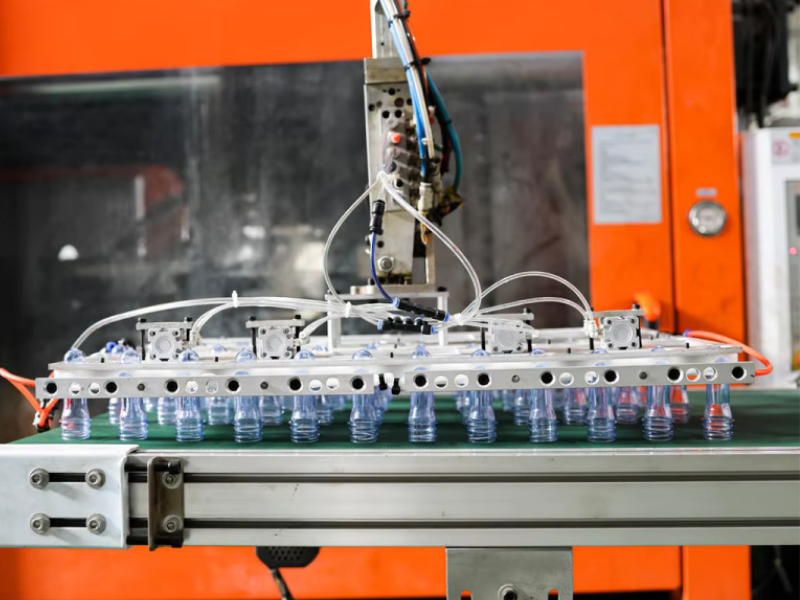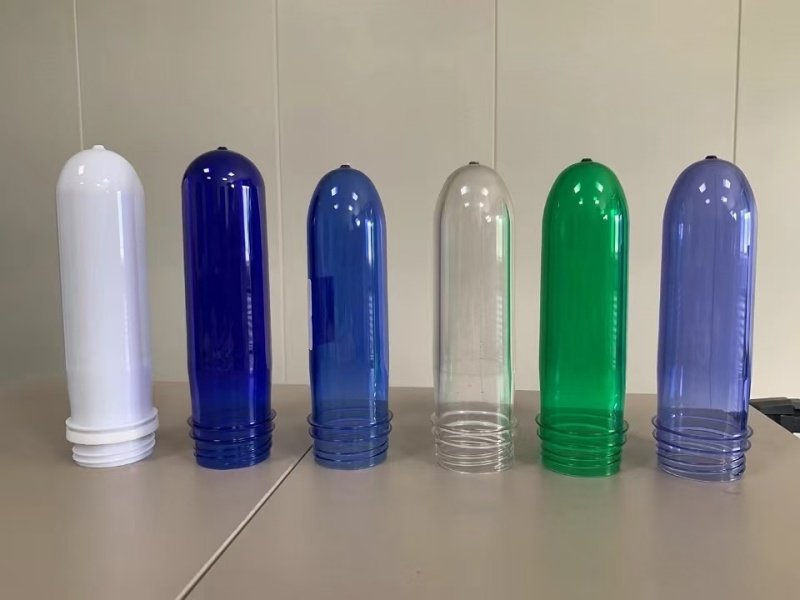
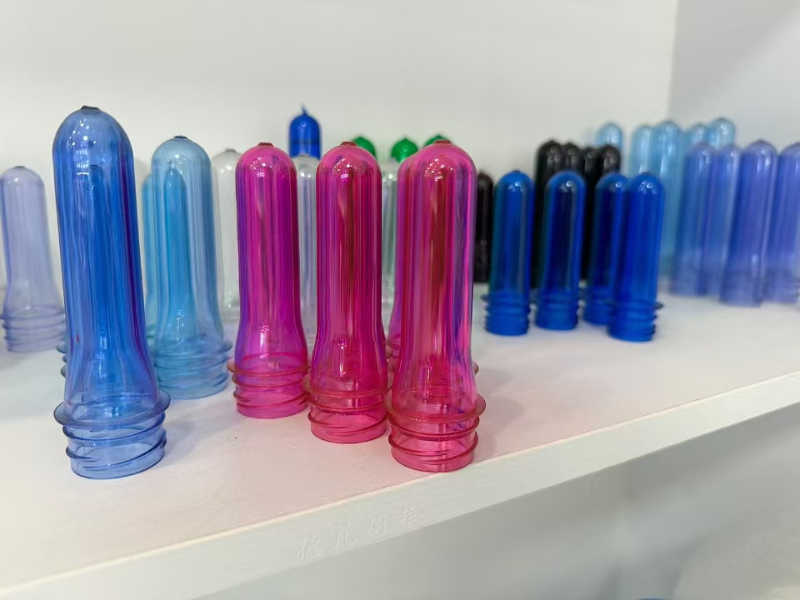
For PET preform defects,the real headache isn’t just seeing bubbles or black dots—it’s what follows: burst bottles in CSD lines, shipment delays from rejected batches, or regulators pulling pharma packaging off shelves. These issues often trace back to defects like high AA value, yellowing, wall-thickness variation, and sealing flaws. In this guide, we’ll show you the most common and less frequent but critical defects, explain their root causes, and share practical solutions. You’ll also learn simple low-cost ways to check preforms on arrival.
What Are the Most Common PET Preform Defects?
PET preforms can show more than twenty different defects, but don’t worry—we’ve seen them all in our own production journey (though luckily, they rarely happen to us anymore). Below you’ll find the key defects, their causes, and the practical solutions that keep production on track.
Visual Defects: Immediate Impact on Quality
AA Value Too High (Acetaldehyde)
AA value tells us how much acetaldehyde remains in a preform, and food-grade bottles must stay ≤3 ppm. If it climbs higher, drinks can taste sour and customers lose trust fast.
The main triggers are barrel heat above 290℃, resin that isn’t fully dried, or plastic sitting too long in the barrel. Keep barrel heat between 270–285℃, dry resin to ≤0.02% moisture (4–6 hours at 160–170℃), and make sure residence time stays under 10 minutes.
Yellowing or Color Deviation
If a preform turns yellowish or shows uneven color, buyers instantly question quality. This often comes from over-drying, excess heat in the barrel or mold, or material left in too long.
The fix is simple: avoid over-drying, hold mold temperature steady around 275–280℃, and mix masterbatch thoroughly before feeding. A stable, clean color helps pass inspections and keeps brand owners confident.
Black Dots / Contamination
One tiny black dot can ruin a batch in food or pharma use. It usually comes from dirty resin, burnt carbon stuck in the barrel, or poor cleaning habits. The answer is to swap out bad resin, clean molds and barrels on schedule, and keep the shop floor tidy.
A useful tip: wipe mold cavities with anhydrous ethanol every 8 hours—this clears residue and stops those surprise black specks.
Bubbles / Moisture Marks / Haze
The real reason bubbles appear is moisture. PET naturally absorbs water, and if drying isn’t done well, that water turns to steam during processing. The steam shows up as bubbles, haze, or streaks inside the preform.
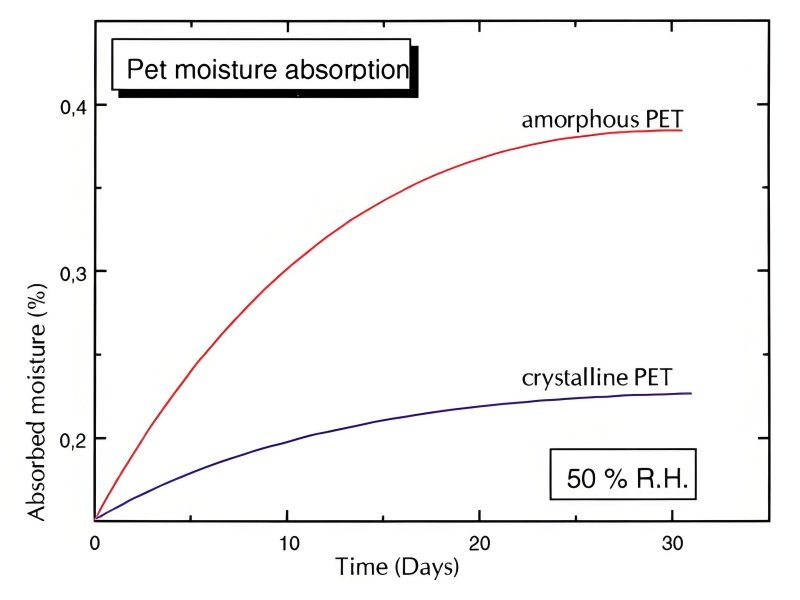
How to Solve It? Keep resin moisture below 0.005% with sealed drying and feeding. Control screw speed so it doesn’t trap air, and keep cooling water at 9–11℃ to balance the mold. This way you get clear, bubble-free preforms that won’t fail later during blowing or filling.
For visual defects, there are also a few smaller issues that are easier to manage and rarely cause shipment delays. Here’s a quick look at them:
| Defect | Why It Happens | Quick Fix You Can Apply |
| Scratches / Scuffing | Friction from rough cavities, ejectors, or conveyors. | Polish cavities, repair ejectors, redesign conveyors to reduce contact. |
| Flash | Mold halves not tight or injection too forceful. | Raise clamping force (200–230 Psi), lower pressure, fix mold parting line. |
| Burn Marks / Streaks | Overheated hot runner or old insulation sleeves. | Reduce nozzle temp, replace worn sleeves or valve pins. |
Structural Defects: Risks During Blowing and Sealing
Neck Defects (Short Shot, Burrs, Eccentricity)
The neck is the most sensitive area because sealing depends on it. Short shots leave threads incomplete, burrs make capping difficult, and eccentric necks cause uneven torque during closure. These issues come from worn thread cavities, poor mold alignment, or low injection pressure. Manufacturers fix them by restoring the mold cavity, realigning the clamping surfaces, and raising injection pressure until threads form correctly.
If neck defects slip into shipments, the buyer has no way to repair them—whole batches face rejection, causing shipment delays and extra freight costs. The only real option is for the supplier to remake the preforms.
Uneven Wall Thickness / Bottom Sink Marks
Preforms with uneven walls or sink marks often blow into unstable bottles that collapse in storage or jam filling lines. This usually happens because holding pressure is too low, resin distribution is poor, or cooling channels are unbalanced. The fix is to extend holding pressure to 6–8 seconds, redesign cooling channels for even flow, and optimize gate layout for smoother resin distribution. These measures allow resin to spread evenly, producing balanced preforms.
For other structural issues, manufacturers usually catch them early and they rarely delay shipments. Here’s a quick look:
| Defect | Why It Happens | How Manufacturers Solve It |
| Shrinkage, Warpage, Distortion | Cooling time too short or water flow unbalanced, causing stress inside preforms. | Extend cooling by 3–4s, raise water pressure to 6–7 bar, clean channels regularly to keep heat transfer even. |
| Gate Defects (Stringing, Pinholes, Long Vestige) | Nozzle temp fluctuations or valve pin delay at hot runner. | Stabilize nozzle temp within ±2℃, service hot runner, and fine-tune valve pin timing to stop resin pulling. |
Performance Defects: Hidden but Costly in Use
Excessive IV Drop (Viscosity Loss)
IV drop means the PET loses molecular strength, and bottles blow weaker or collapse in storage. It usually comes from resin stored too long, poor drying, or barrels running too hot. The fix is strict FIFO inventory, proper dryer maintenance, and stable barrel temps of 280–285℃. Warehouses must stay below 70% humidity and 28℃. Buyers cannot correct IV loss—if you receive weak preforms, the only remedy is asking the supplier to remake them, which delays shipments and ties up warehouse space.
Material Degradation (Thermal / Hydrolytic)
Degraded PET is easy to spot: yellow color, brittle surface, even sour taste in drinks from excess acetaldehyde. The root causes are overheated barrels or resin that wasn’t dried well enough. To solve it, manufacturers reduce barrel temp and ensure moisture ≤0.02% with 4–6 hours of drying at 160–170℃. Proper drying prevents hydrolysis, and steady temperatures avoid thermal breakdown. If bottles arrive degraded, buyers face rejections from food safety checks, meaning the supplier must replace the order.
Poor Sealing
A leaky seal is a nightmare for both CSD and pharma buyers—bottles may pass visual checks but fail under pressure or transport, leading to full-batch recalls. Causes include incomplete threads or uneven neck surfaces. Manufacturers solve this by restoring the thread cavity, inspecting flatness of the neck finish, and adjusting injection pressure so threads form properly. Once bottles reach the buyer, this defect can’t be fixed, forcing production stoppages until replacements arrive.
For performance issues that are less common, here are a few manageable ones worth noting:
| Defect | Explanation | Cause | Solution |
| Abnormal Crystallinity | Preform looks opaque or brittle, reducing toughness. | Mold too hot/cold, cooling too fast. | Keep mold cooling stable, avoid sudden temp drops. |
| Low Impact Resistance | Bottles fail drop test, cracking on impact. | Uneven wall thickness or resin degradation. | Balance wall thickness and keep resin drying precise. |
What Are Less Common but Critical PET Preform Defects?
Some PET preform defects only appear under very specific production conditions. They are not everyday issues, but when they do happen, they can directly affect blowing, filling, or even final sales. Here’s a clear overview you can use when reviewing suppliers or inspecting samples:
| Defect | What It Looks Like | Why It Happens | How to Prevent or Solve It |
| Delamination with Recycled Resin | Preform wall shows layered streaks, like plastic not fully bonded, easy to crack during blowing. | Recycled resin >30% has lower IV, poor melt compatibility with virgin PET. | Keep recycled ratio ≤25%, raise barrel homogenizing temp 10–15℃, and always test resin IV before mixing. When buying, hold a sample to the light—if you see irregular streaks, ask for re-production. |
| Gate Pinholes in Small-Neck Preforms | Tiny pinholes at the gate of narrow necks (e.g., oral liquid, e-cigarette bottles), later cause leakage. | Gate diameter only 1–2 mm, easily blocked by dust or unmelted particles. | Add 100-mesh filter at feeding, clean gate residue every 2 hours, run vacuum leak test before shipment. As a buyer, simply fill preforms with water and invert for 10 minutes to check. |
| Cooling Cracks in Hot-Fill Preforms | Hairline cracks at body joints after 24h storage, breaking during hot filling. | Mold cooled too fast (<25℃), crystallinity drops below 15%, internal stress builds. | Keep mold temp 35–40℃, extend cooling by 5–10s, and do a 48h stress test before shipment. Buyers should request a heat resistance test report at 85℃ or above. |
| Cavity-to-Cavity Color Deviation | Preforms from the same batch show shade differences—some darker, some lighter. | Multi-cavity molds (>8 cavities) with unbalanced hot runners, uneven filling speed. | Run hot runner balance test, keep cavity fill time difference ≤0.2s, and do random color comparison across cavities. Buyers can sample from different cavities and place them on white paper for quick check. |
These special-condition defects may look rare, but ignoring them can quickly lead to shipment delays, higher logistics costs, and even warehouse backlogs. That’s why it’s important to understand not just the defects themselves, but also how a single issue can trigger a chain reaction in later stages of your supply chain.
Even though these defects occur less often, they should never be ignored. Once they slip through, they can trigger a chain of costly problems across production, filling, and even logistics. Here are three typical cases from our manufacturing experience:
Bubbles Leading to Leaks and Torque Failure
Bubbles weaken the wall by nearly 30%, often stretching into pinholes during blow molding. If they appear in the neck area, torque becomes unstable and caps loosen in transit. Controlling resin moisture to ≤0.02% and keeping mold vents clear prevents this. If bubbles are found in delivered goods, request re-production immediately instead of risking leaks on your filling line.
Uneven Wall Thickness Causing Storage Collapse
Wall variation above 0.2 mm makes bottles tilt during filling and weak in stacking. A pallet designed for five layers may collapse after just three, creating warehouse backlog and extra logistics costs. This is solved by balancing cooling channels and extending holding pressure. Always demand a wall-thickness report from your supplier to confirm quality before shipment.
Black Dots Triggering Failures in Sterilization or Drop Tests
Black dots may look minor but cause major risks. Metal particles can spark during sterilization, while degraded resin turns into weak points that crack in drop tests. Using magnetic filters, cleaning barrels every 4 hours, and polishing molds minimize the issue. Strong light inspection quickly reveals them, and if you see black dots in incoming preforms, it’s reasonable to insist on replacement to avoid compliance or safety failures.
How to Detect PET Preform Defects Without Expensive Equipment?
Now that we’ve covered both common and less common preform defects, the next question for buyers is clear: how can you spot these issues without relying on costly lab equipment? Below are a few simple, low-cost methods that can be done right on the shop floor to identify problems early and avoid delays in your production line.
LED Strong-Light Check for Bubbles
Hold the preform under a bright LED torch and rotate it slowly. Any bubbles or haze will show up as dark shadows or uneven light spots. This quick test takes seconds and helps you avoid weak preforms ending up in production.
Vernier Caliper Wall Thickness Test
Measure the same height at three different angles—0°, 120°, 240°. If the variation is more than 0.2 mm, the wall thickness is not uniform. Asking your supplier to provide wall-thickness reports is also a smart step before large shipments.
Hot Water Immersion for Internal Stress
Place the preform in 60℃ water for five minutes. If there are hidden stresses, fine cracks will appear around the neck or joint areas. This is a reliable way to catch problems that might otherwise cause breakage during filling.
Smell and Bend Test for Degradation
A degraded preform smells sour or acidic, and when bent 180° it snaps without showing any stretch lines. Healthy PET should only have a light plastic smell and bend without breaking. This test is especially useful for small buyers without lab equipment.
These easy checks can save you from delays, rejected batches, or expensive rework. And if you want a more complete guide to systematic inspection, we’ve shared practical steps in our article How to Check PET Preform Quality.
Why Choosing the Right Pet Preform Manufacturers Matters for Defect Prevention
Defects in PET preforms quickly escalate into costly problems — from delayed shipments and storage backlog to failed inspections in CSD or pharma. That’s why choosing trusted pet preform manufacturers is critical. By controlling resin drying, stabilizing mold conditions, and running batch-level QC for AA value, wall thickness, and sealing, we stop defects before shipment. This ensures every preform you receive is production-ready, saving you time, cost, and brand reputation!