
What Is PET Preform Scrap?
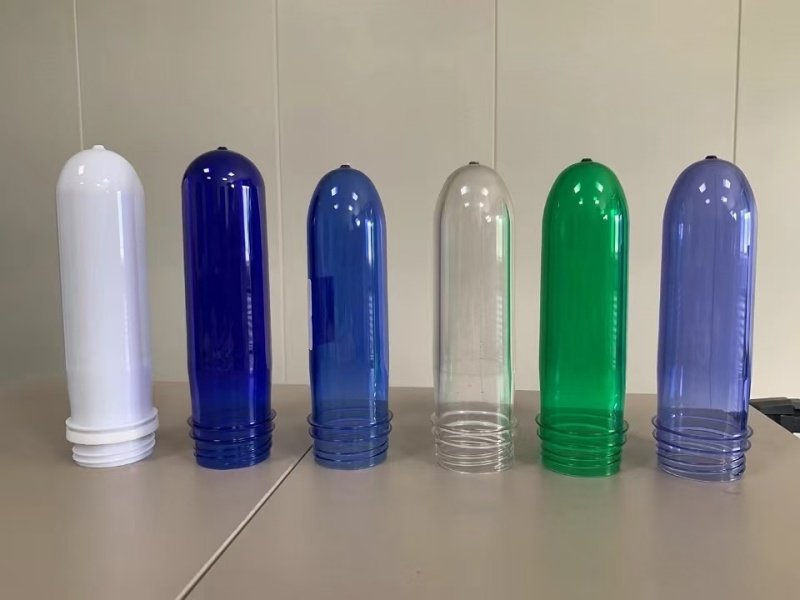
PET preform scrap refers to material that cannot be used for normal bottle blowing. This includes defective preforms with visible flaws—such as black specks, deformation, or short shots—as well as gate residue and trial-run rejects. In the recycling industry, these scraps are often classified by color (clear, white, colored) and purity (with or without contamination). Transparent, impurity-free scrap has higher recycling value and is commonly traded as a raw material for plastic reprocessing.
How Is Scrap Generated in Preform Production?
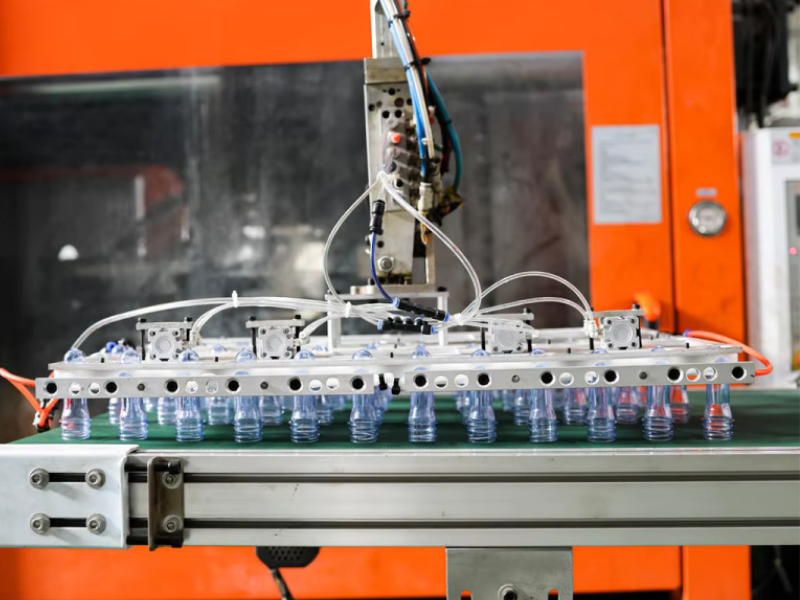
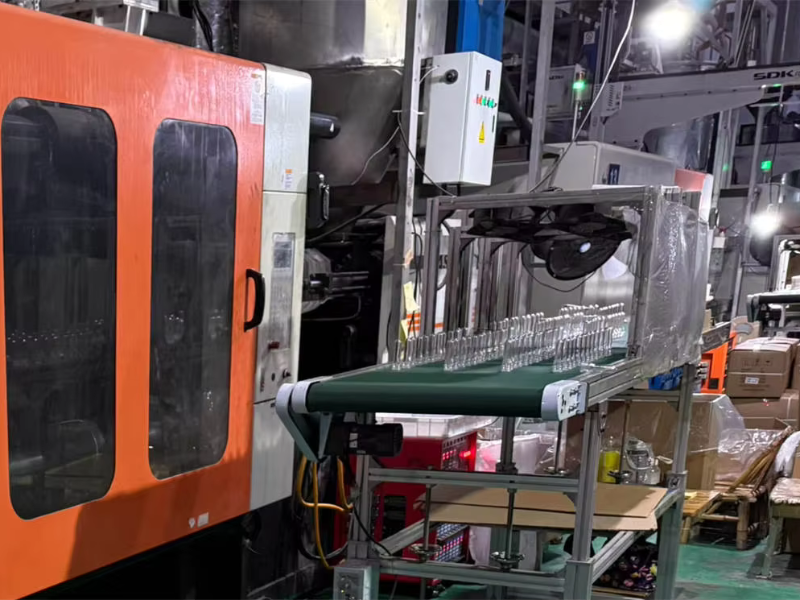
Even with precise process control, some scrap is inevitable. For example, during machine startup and mold trials, operators adjust parameters, which produces a small batch of unusable preforms. In production, if PET resin is not fully dried or mold temperatures fluctuate, defects like bubbles or distortion can occur. After demolding, gate residues—often 5–8% of a single preform’s weight—are also collected as scrap. In addition, preforms damaged or contaminated during storage and transport become waste.
Most of these issues can be traced back to typical pet preform defects, which make preforms unsuitable for bottle blowing. The important point for buyers is that scrap is a normal byproduct, not necessarily a red flag, provided it is well-managed and recycled responsibly.
How Is Scrap Reused in the Recycling Chain?
Once collected, PET preform scrap is sent to recyclers. The process usually follows four stages:
- Cleaning: Removing surface dirt and impurities.
- Grinding: Breaking scrap into small flakes or granules.
- Remelting and Filtering: Removing fine contaminants, producing PET flakes or recycled pellets.
- Reprocessing: Turning flakes into rPET chips or sheets.
High-quality rPET can sometimes be blended—up to 30%—with virgin PET to produce new preforms. However, this requires strict testing for intrinsic viscosity (IV value) and food-contact compliance. Other applications include textiles, films, or non-food packaging, where purity requirements are lower.
Conclusion
As we’ve seen, PET preform scrap is an unavoidable by-product in production, and while it plays an important role in recycling, the choice of material directly shapes your final bottle’s quality.
For drinking water and beverage applications, Enlightening Plast use only 100% virgin PET. This safeguards clarity, taste neutrality, mechanical strength, and consistent sealing on high-speed lines.
For markets that permit rPET (e.g., where food-contact recycled PET is recognized), we can supply certified rPET—sourced from compliant PET scrap (including preform scrap and post-consumer bottle scrap) and processed via approved decontamination. On request, we provide FDA No-Objection documentation or equivalent food-contact compliance, EU 10/2011 Declarations of Compliance with EFSA opinion where applicable, migration/IV reports, and lot traceability. Typical blends are agreed to your spec (often 10–30% for bottles) without compromising performance or regulatory requirements.